Cultural Loops
Archaeology / Speculation / Memory / Contemporary culture
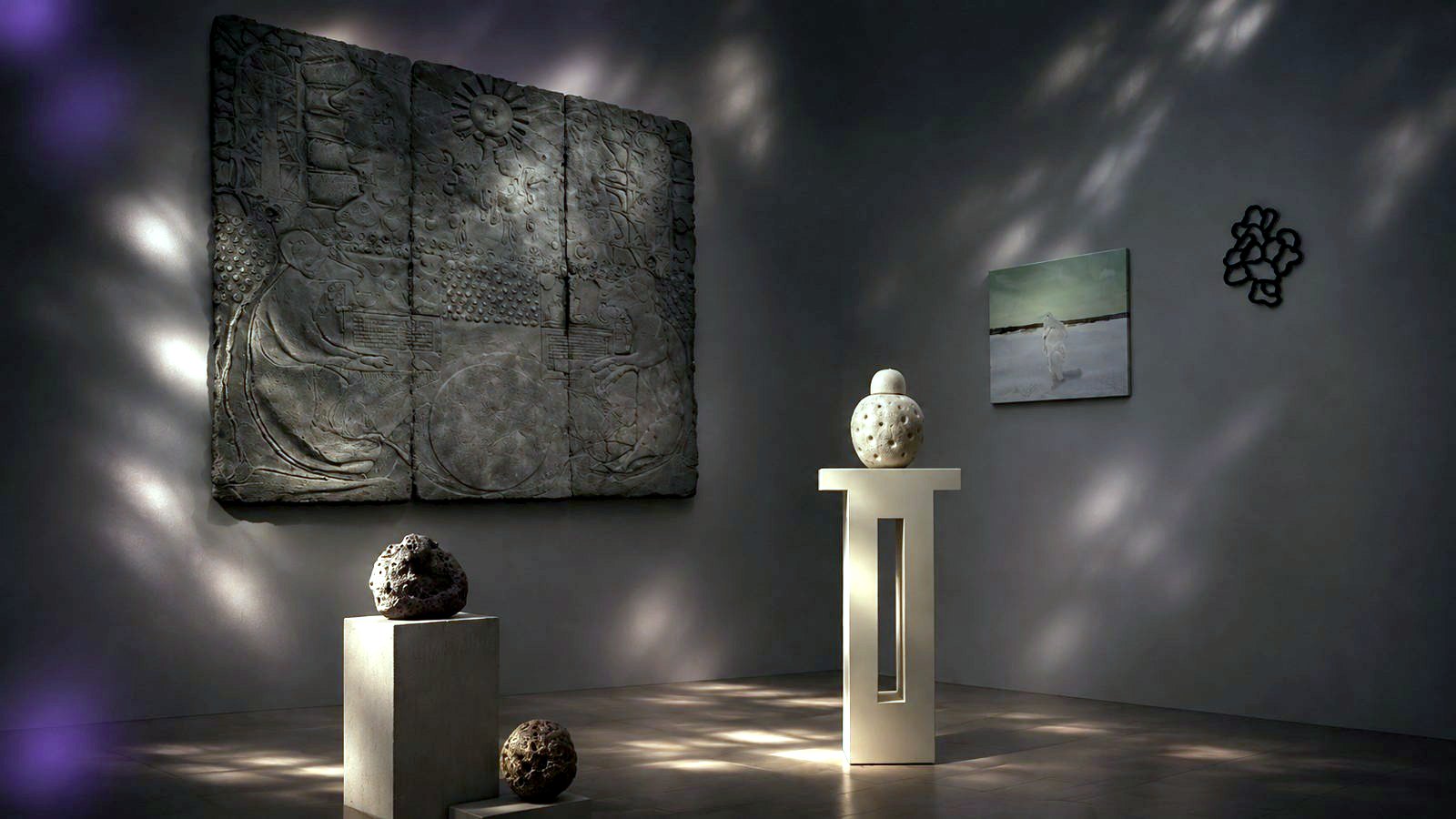
In a future where time collapses, the linear order of past, present, and future dissolves into a haunted, entangled zone — layered with ruins, memories, and unrealized dreams.
An archaeological journey
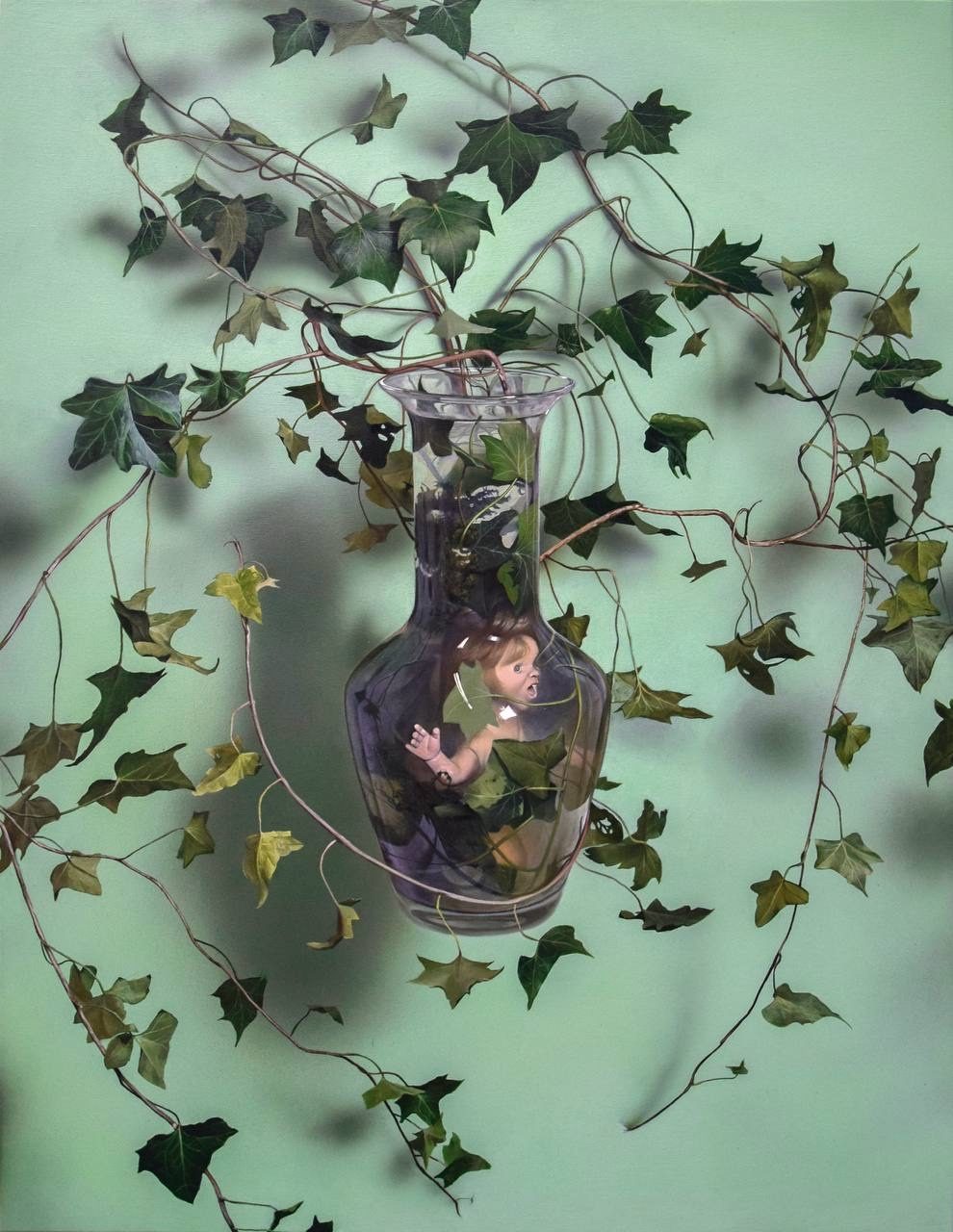
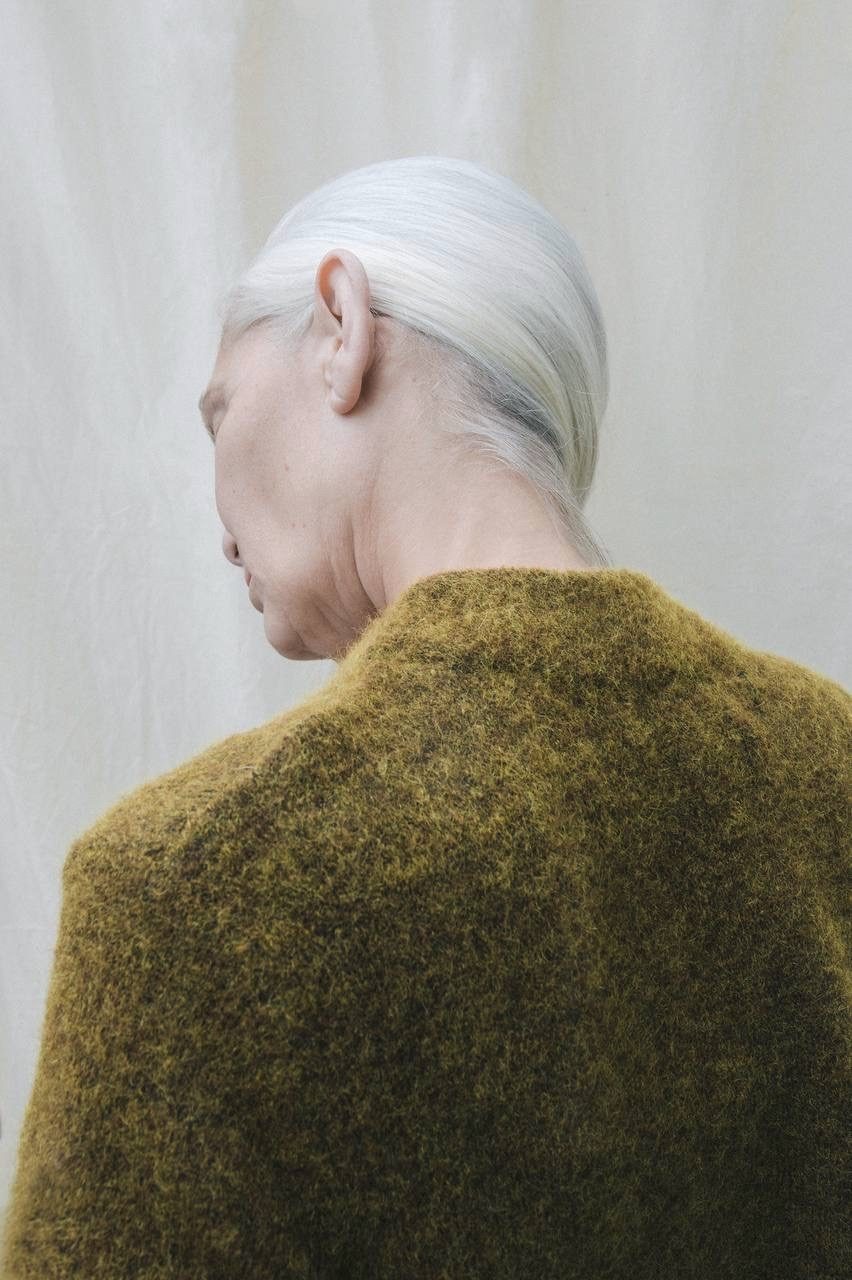
Cultural Loops is an archeological journey through this fractured temporality: a speculative excavation seen through the eyes of alien historians or artificial archaeologists, sifting through the fossilized remnants of human culture in search of pattern, meaning, and myth.
This exhibition takes as its starting point the idea of the “urban stratum”, as described by geologist Jan Zalasiewicz — a compressed, fossilized layer of human civilization that may, in some distant epoch, serve as the clearest geological marker of the Anthropocene.
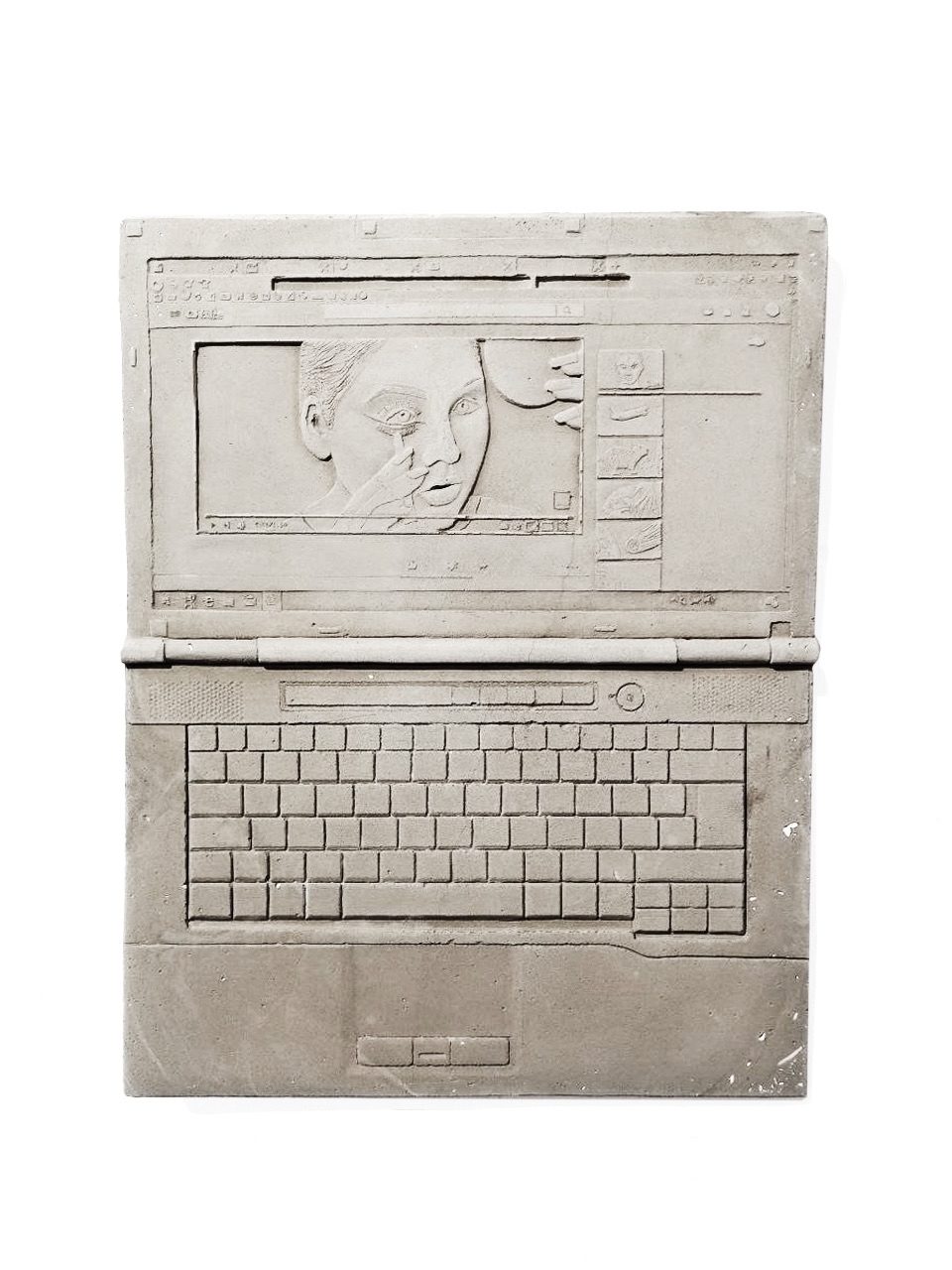
Cities, with their dense concentrations of processed materials — concrete, brick, aluminum, plastic — and their vast, intricate underground tunnel networks (“fossil burrows”) become a material signature of a once highly organized and technologically advanced society.
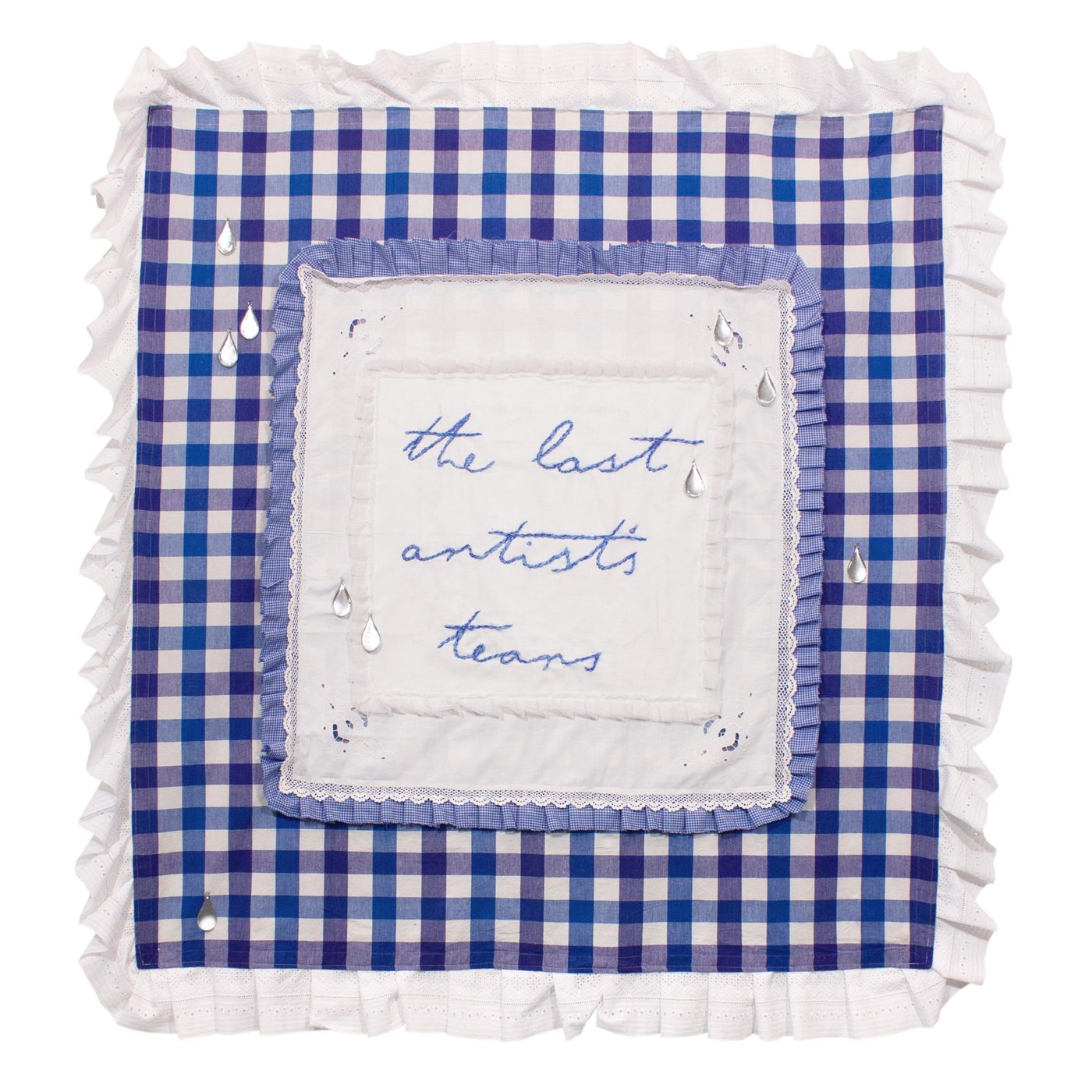
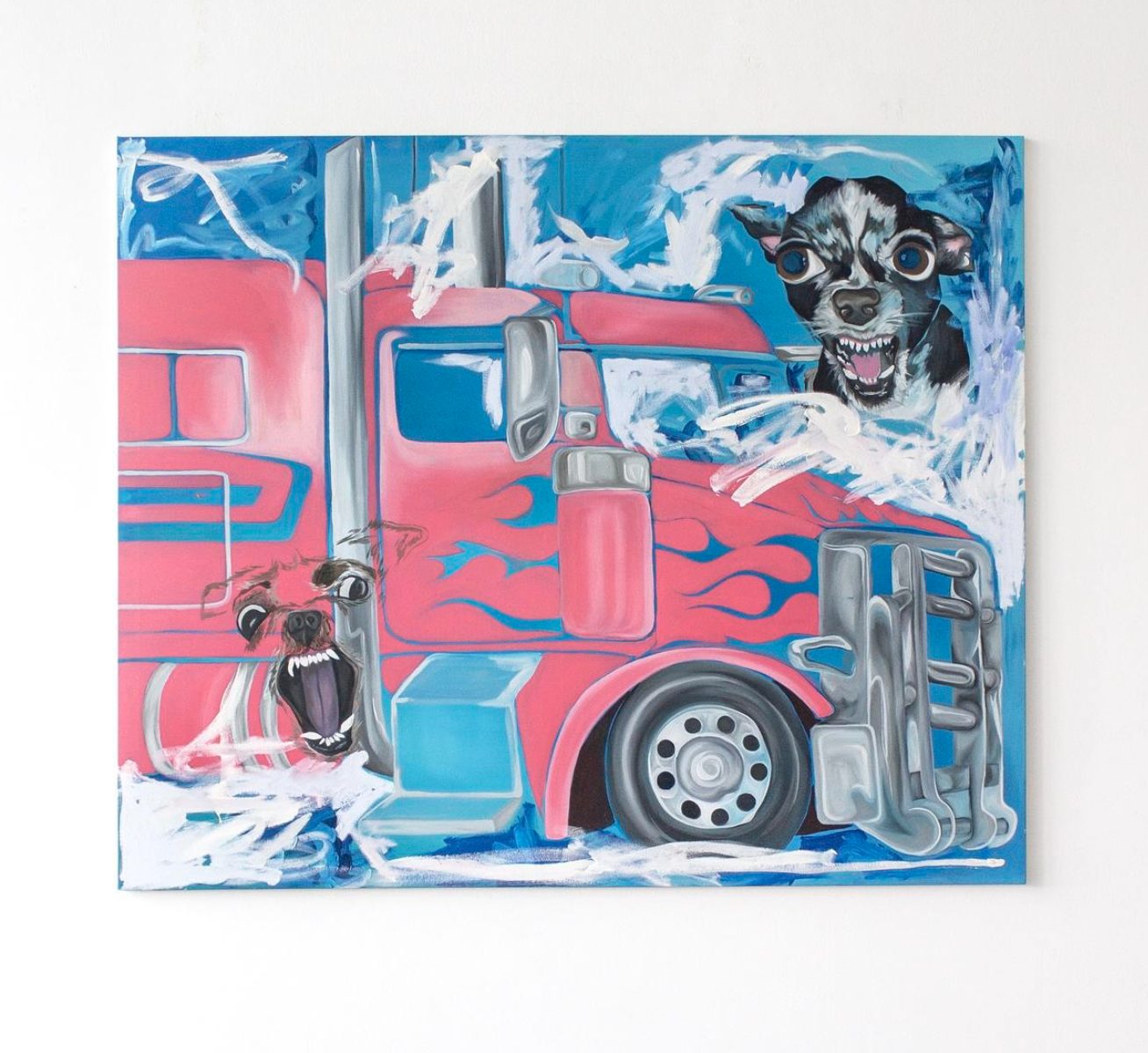
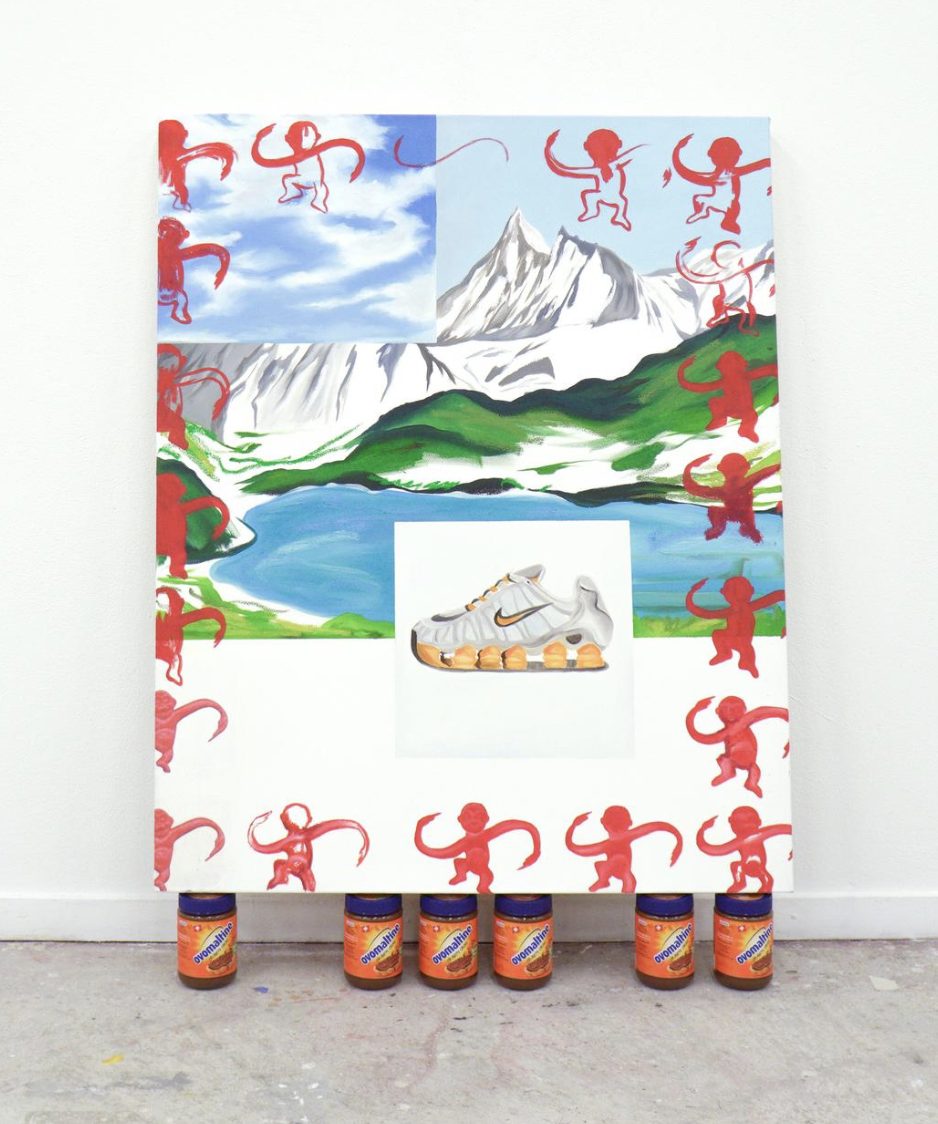
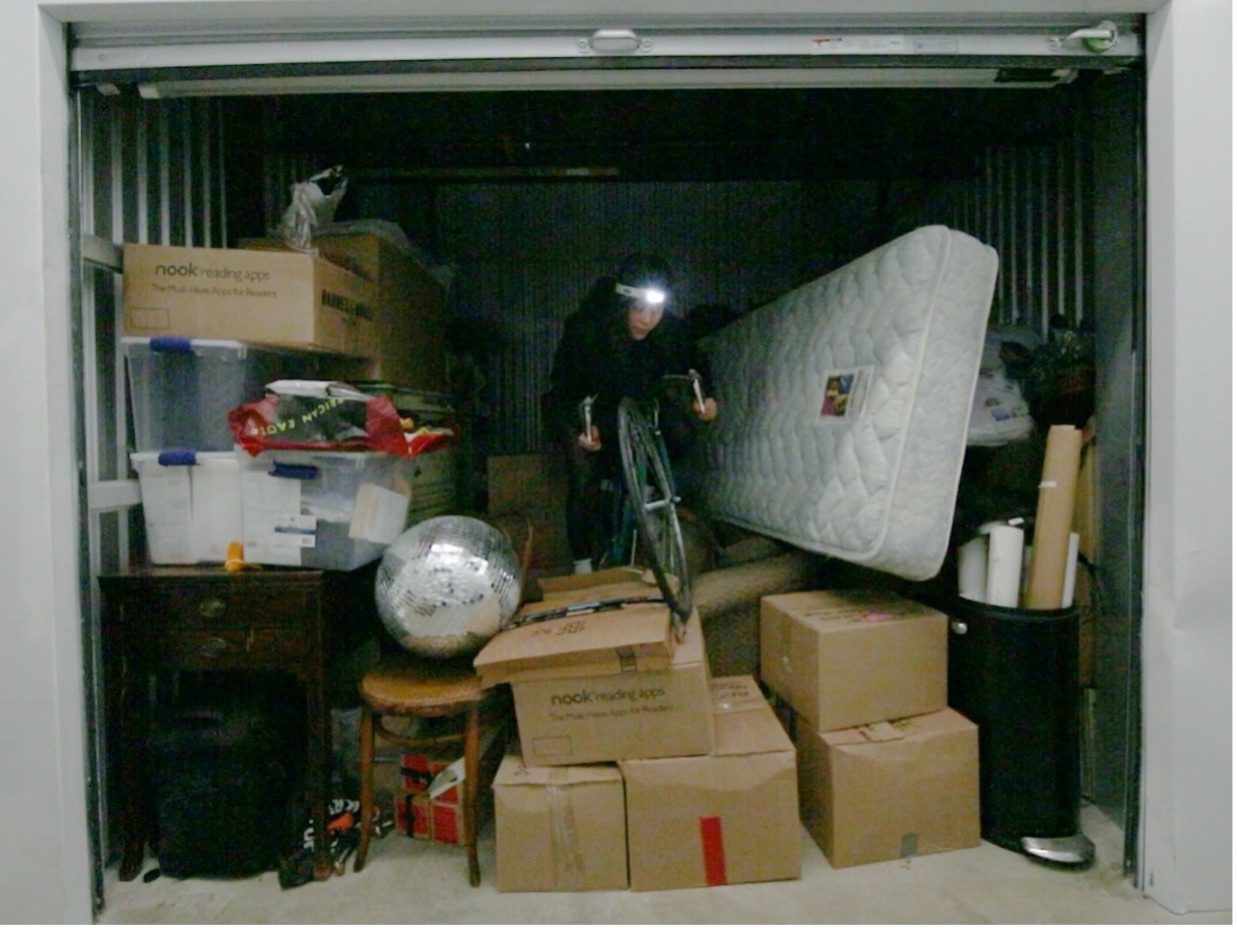
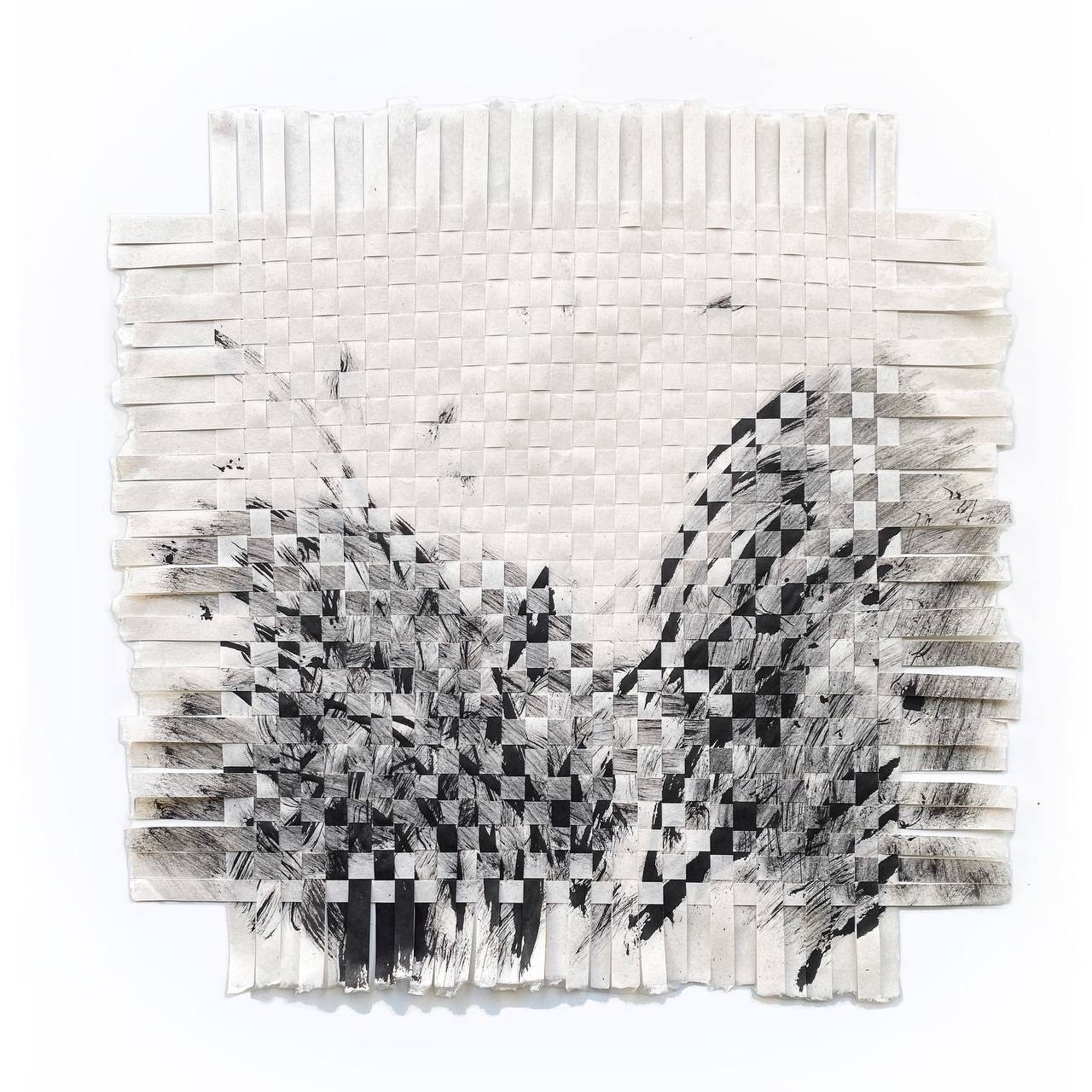
But beyond the physical, Cultural Loops seeks to uncover the psychological and emotional fossils embedded in our artifacts: the fragile imprints of inner life, melancholias, desires, and memories encoded into mass-produced objects, media aesthetics, and mythic images. It asks: What remains of us when time itself becomes unstable?
First stratum
Speculative future
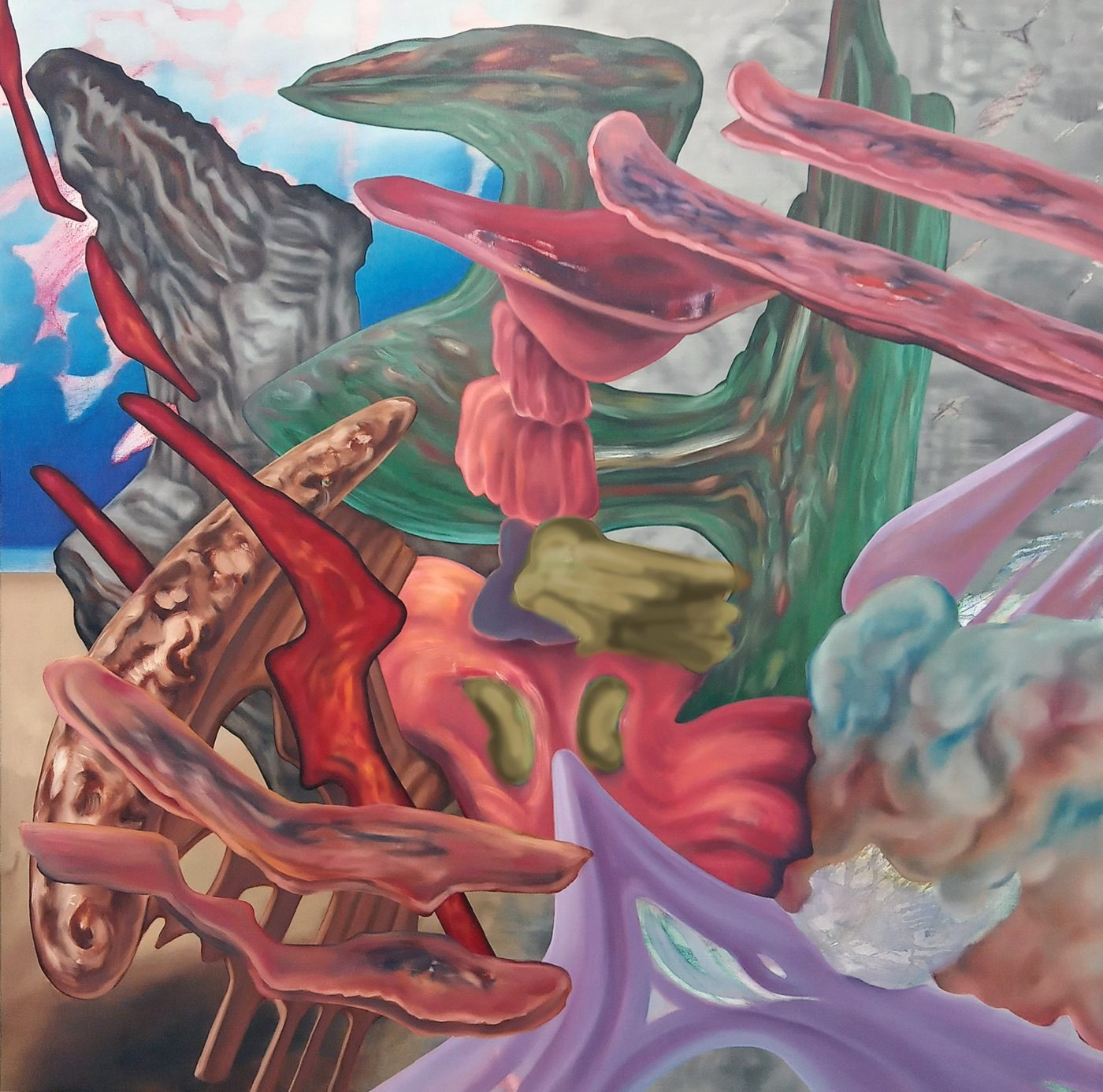
This first stratum imagines the future as a zone of misrecognition. Here, alien historians or artificial archaeologists attempt to reconstruct the human story from incomplete and misinterpreted remains. The result is a poetic fiction — part taxonomy, part myth.
The “urban stratum” will become a key marker of the Anthropocene due to its unique material composition. The combination of processed natural materials (concrete, brick) and entirely new synthetic materials (plastics, aluminum) within a distinct geological layer will provide a clear and unprecedented signature of human activity.
Of special importance may be extensive underground networks such as pipelines, subways, and other tunnel systems, which Zalasiewicz refers to as “fossil burrows.” These twisted and compressed tunnels may become particularly distinctive traces of urban infrastructure — evidence of a highly organized and technologically advanced society.
Second stratum
Eternal present
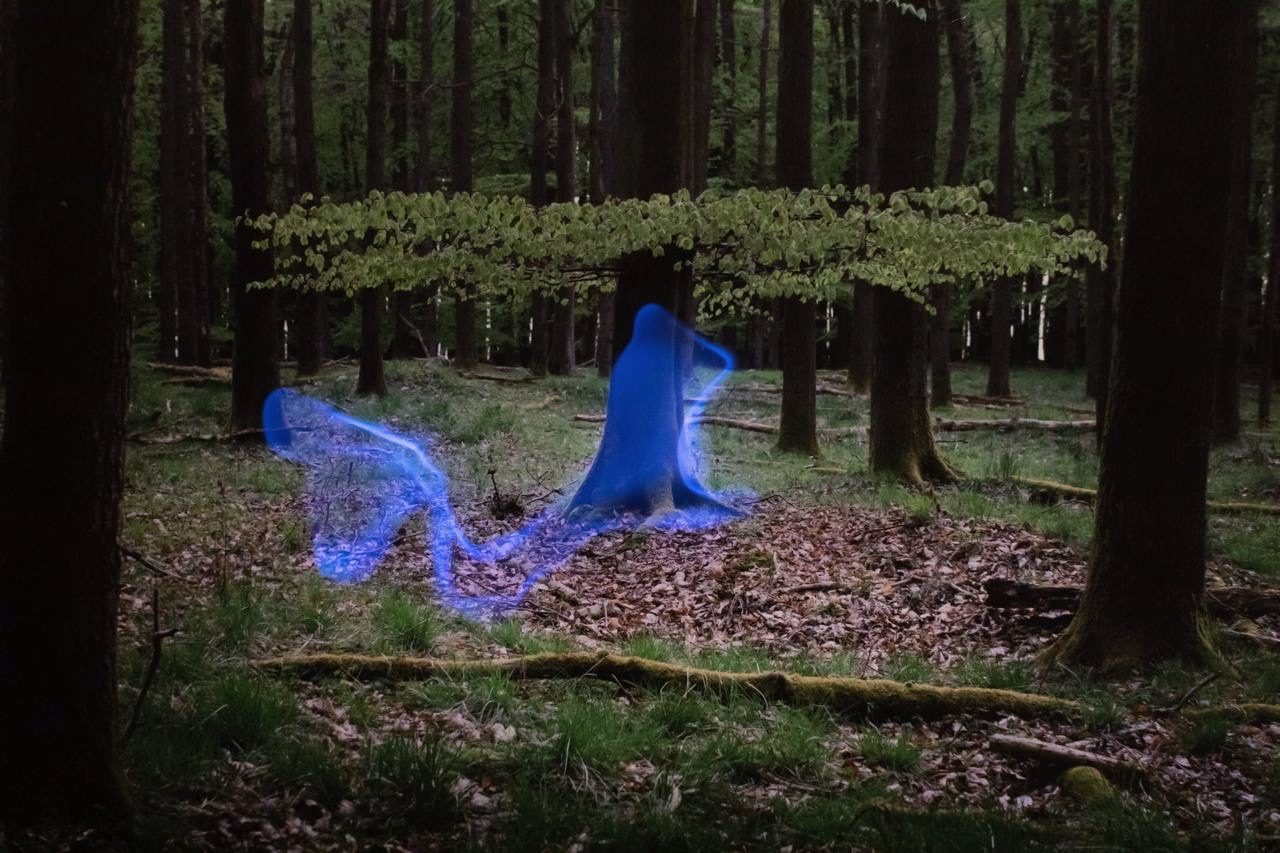
In the second stratum time stutters and loops endlessly. We are trapped in the infinite recursion of now — a present that no longer progresses, but instead replays itself with eerie familiarity. The future doesn’t arrive; the past is re-enacted. This is the zone of hauntology, where culture is unable to imagine new forms and becomes obsessed with its own simulation.
Mark Fisher borrows the term hauntology from Jacques Derrida but reinterprets it in a cultural context: the state of contemporary culture, obsessed not so much with the past itself, but with the “ghosts” of lost or unrealized futures. The past continues to haunt the present, along with a sense that the future — once imagined as achievable and full of innovation — has been “cancelled”.
Hauntology is not mere nostalgia for what has gone, but rather a longing for a future that never arrived. It is not only a critique but also a call to action — to recognize this “slow cancellation of the future” and begin to once again imagine and fight for alternative possibilities, both in culture and in politics.
Third stratum
Fossilised past
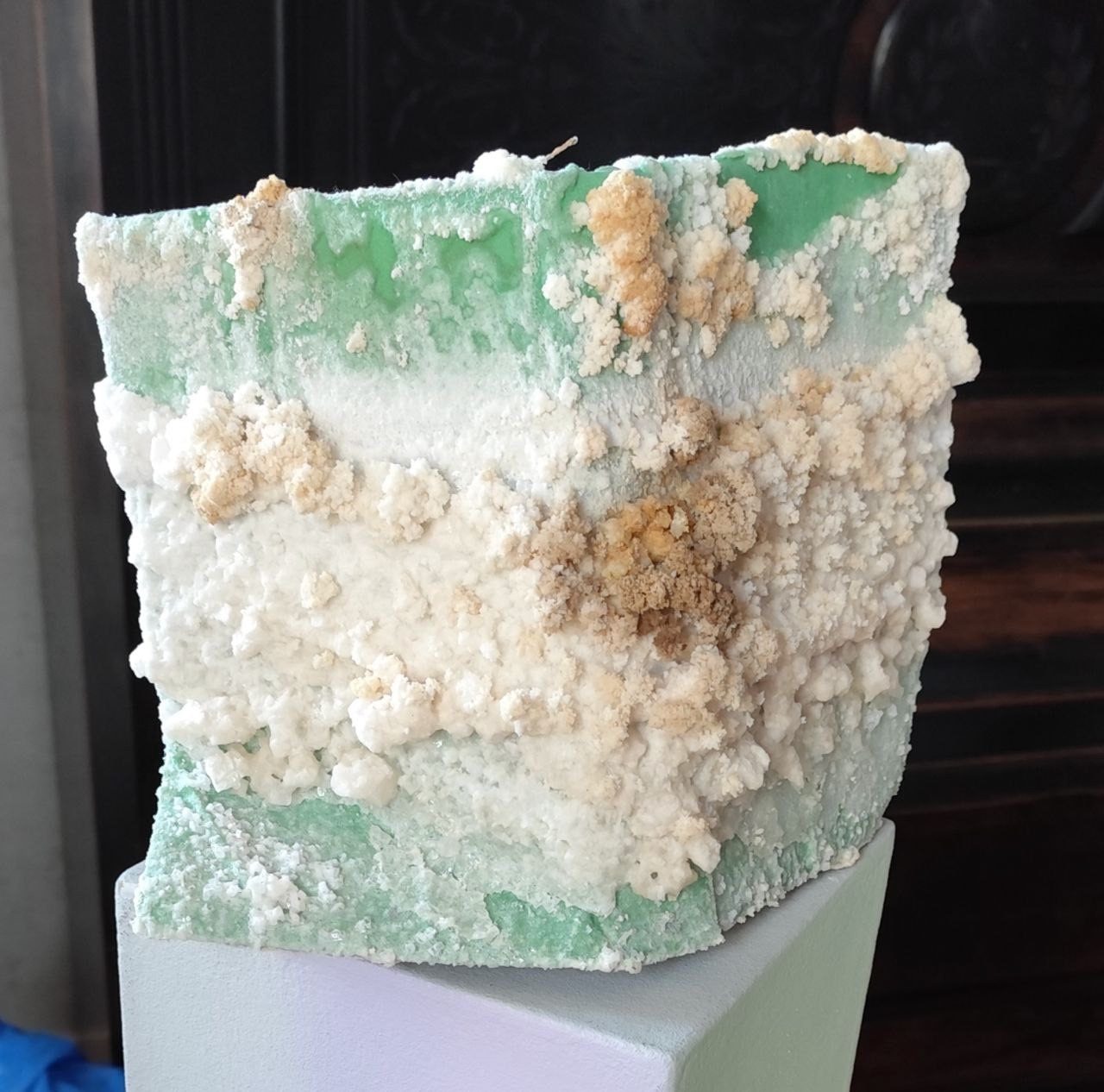
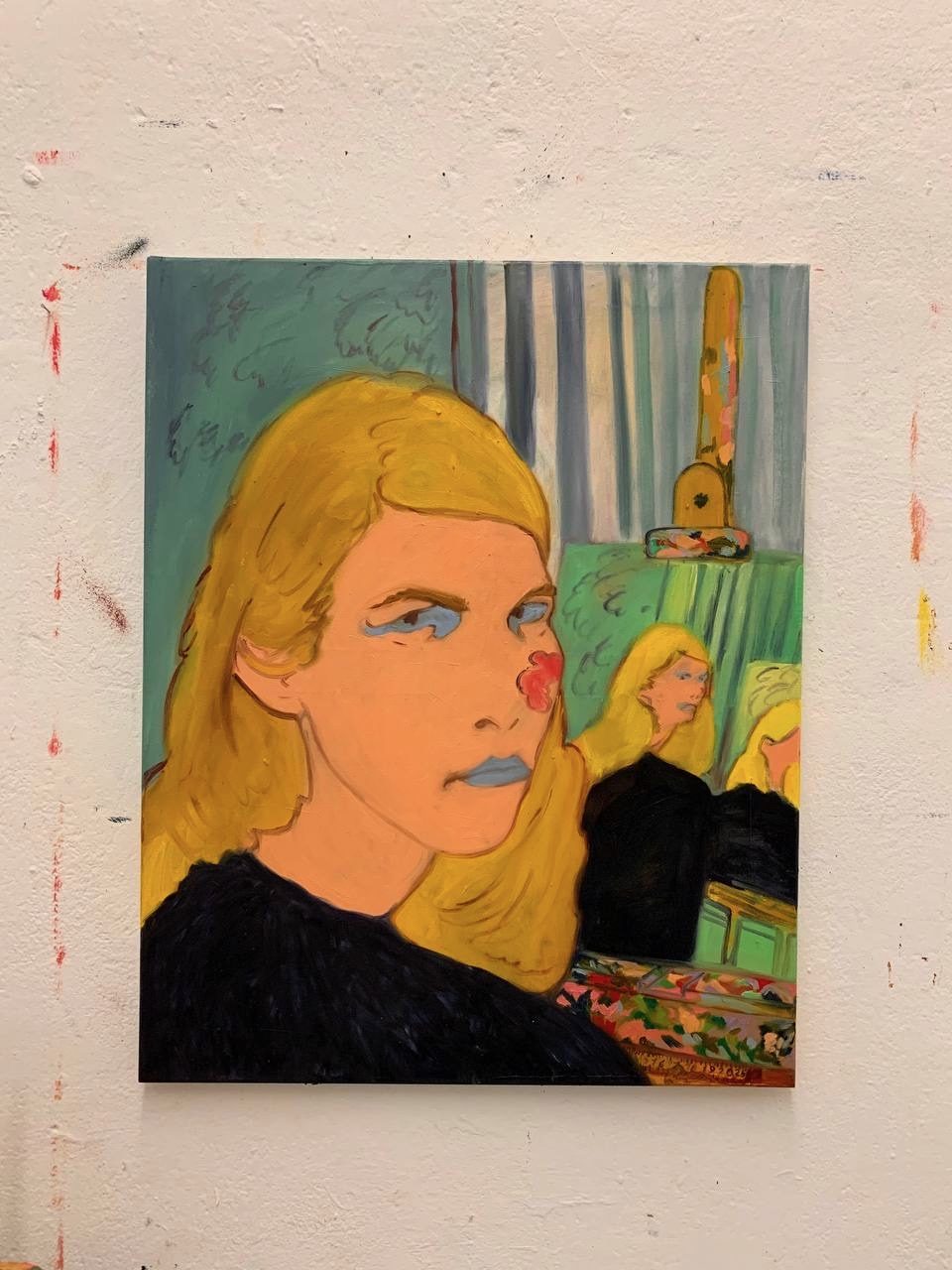
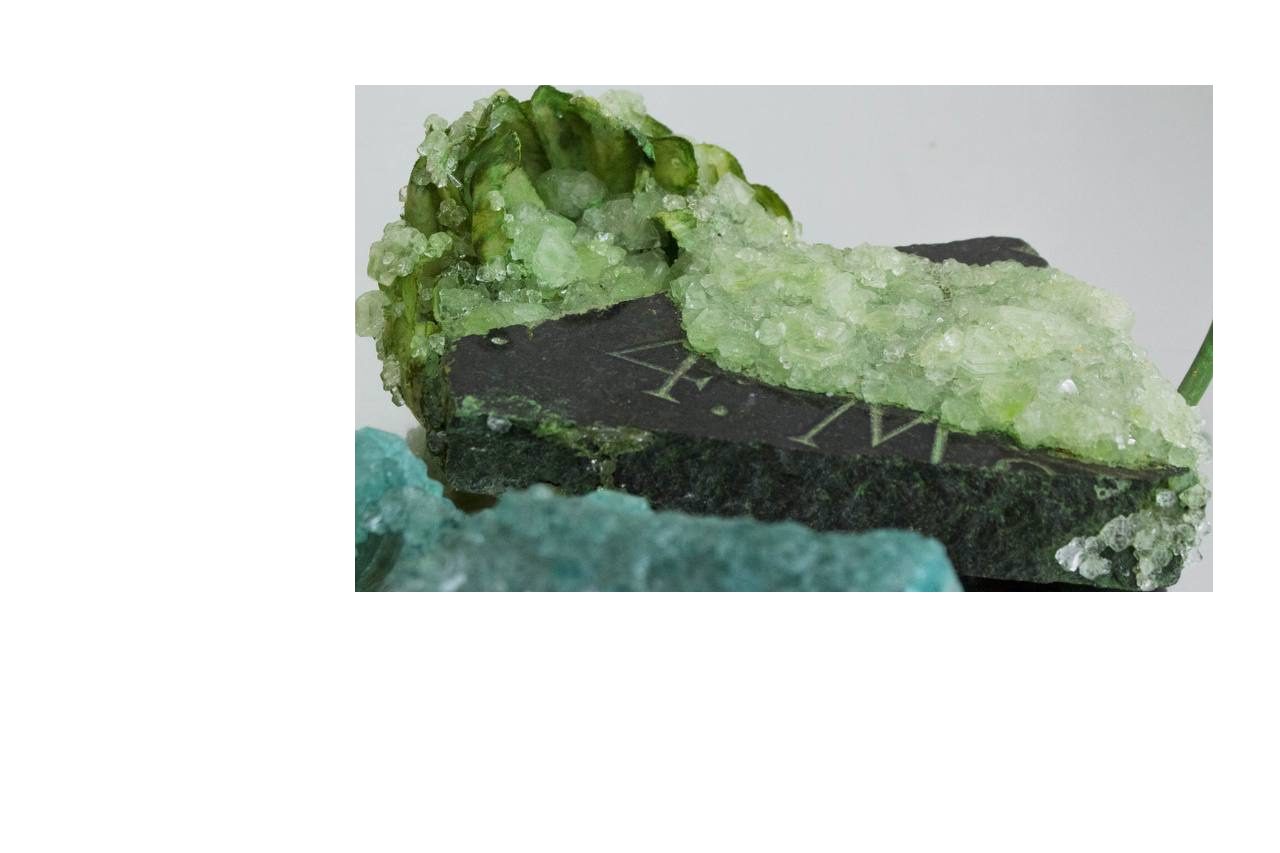
Memory turned mineral. This is not nostalgia. It is the arche-fossil — time embedded into matter. These pieces mourn not only what was lost, but what was never fully grasped: rituals, beliefs, collective stories that now survive only as ghost imprints.
What happens to a future that never arrives? It settles — layer by layer — into the sediment of our culture. A fossilised past isn’t simply history. It’s a ghost of possibility, compacted into concrete and code, trapped in the feedback loops of past and unfinished dreams.
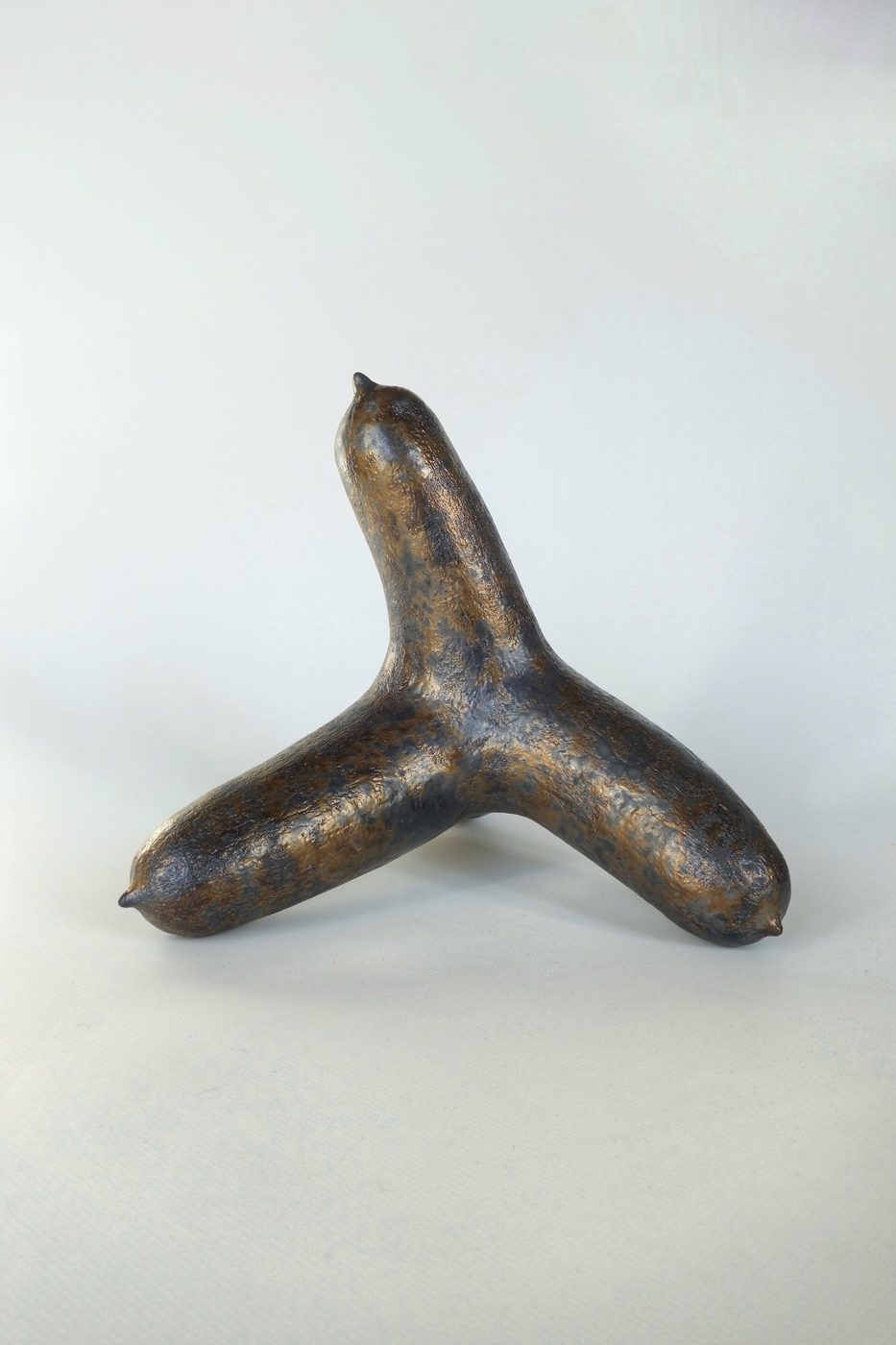
To excavate these remnants is not to mourn them, but to ask: What kind of world leaves behind plastic bones? What does it mean to inherit ruins of ambition? And can we still imagine futures not already fossilised?
This project explores the interweaving and inseparability of a never-past past, an impossible future, and a non-existent present. And perhaps the only thing humanity can oppose to the colonization of the past is speculation about the absence of a future.
Curators
- Viktoria Vysotskaia
- Liza Zemskova
- Lera Dobrinec
Artists
- Lonni Wong →
- Daniel Schulz
- Olga Urbanek
- Johanna Brummack →
- Polina Ryman
- Isabel Waller →
- Polina Trishkina
- Kseniia Antipina
- Ioana Pirlea →
- Margarita Montgomery
- Mia Butter →
- Rosa Kirsch
- David Kinkybanana
- Dana Melaver
- Ana Kotar
- Ornella Orlandini
- Ira Jigilo
- Sofia Efremenko →
- Lucia Berlanga →
- Nadia D’Alessio →
- Liza Zemskova
- Vasilisa Palianina
Questions for self-reflection
- 1What parts of me feel fossilized — preserved but no longer alive?
- 2Is there a loop I keep returning to?
- 3What forgotten future have I stopped waiting for — but never fully let go?
- 4What does the architecture of my emotional world look like? A city? A ruin? A tunnel?
More exhibitions